

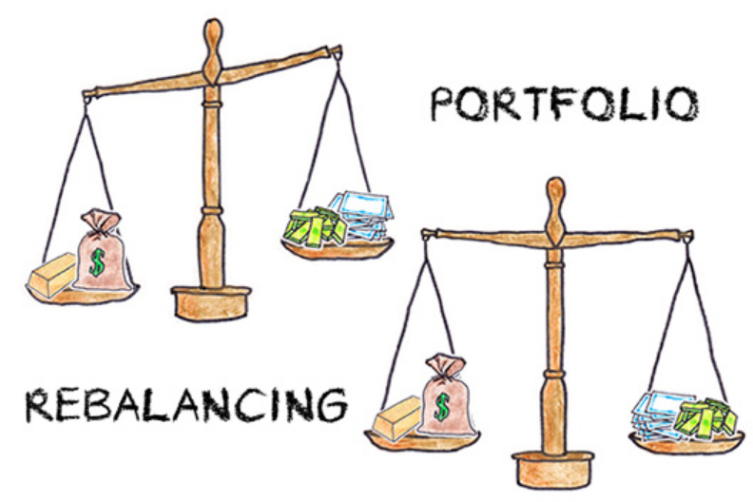
Building an investment portfolio is an important step towards achieving long-term financial goals. However, selecting the right investment products is only part of the investment process. Maintaining the appropriate asset allocation over time is equally important.
Market movements, changing economic conditions and differences in investment performance can gradually change the original composition of a portfolio. An investment that initially represented 20% of a portfolio may grow to 35% due to strong market performance, increasing the portfolio’s exposure to that particular asset.
This is where portfolio rebalancing becomes important.
Portfolio rebalancing is the process of adjusting investment allocations to bring a portfolio back in line with its intended asset allocation and risk profile. It helps investors manage risk, maintain diversification and stay aligned with their long-term financial objectives.
For investors exploring PMS, AIFs, mutual funds and other investment opportunities, understanding portfolio rebalancing is essential for effective wealth management.
What Is Portfolio Rebalancing?
Portfolio rebalancing refers to buying or selling investments to restore the desired allocation across different asset classes, investment strategies or securities.
When investors initially build a portfolio, they generally decide how much capital to allocate to different investment categories based on their financial objectives, risk tolerance and investment horizon.
However, market movements can cause these allocations to change.
For example, consider an investor with a portfolio worth ₹1 crore, initially allocated as follows:
| Investment Category | Target Allocation | Initial Investment |
| Equity Investments | 50% | ₹50 lakh |
| Debt Investments | 25% | ₹25 lakh |
| AIF Investments | 15% | ₹15 lakh |
| Cash and Liquid Assets | 10% | ₹10 lakh |
| Total | 100% | ₹1 crore |
After a strong equity market rally, the equity portion may increase significantly, while other investments may grow at a slower rate.
The portfolio may no longer reflect the investor’s original risk preferences.
Rebalancing involves adjusting these allocations to restore the intended portfolio structure.
Why Is Portfolio Rebalancing Important?
Portfolio rebalancing is not simply about buying and selling investments. It is a disciplined approach to managing portfolio risk and maintaining investment objectives.
Here are some important benefits.
1. Maintaining the Desired Risk Level
Different investment categories carry different levels of risk.
Equities may experience significant price fluctuations, while certain debt investments may offer relatively stable income. AIFs can have varying risk profiles depending on their investment strategies.
When one investment category performs significantly better than others, its portfolio allocation may increase.
Rebalancing helps investors prevent excessive exposure to a particular asset class or investment strategy.
2. Maintaining Portfolio Diversification
Diversification involves spreading investments across different asset classes, sectors, securities and investment strategies.
However, diversification can become less effective when market movements change the original allocation.
Regular portfolio rebalancing helps maintain the intended diversification and reduces excessive concentration.
3. Supporting Disciplined Investment Decisions
Investors sometimes make emotional decisions based on market movements.
They may increase exposure to investments that have recently performed well or sell investments during temporary market corrections.
Portfolio rebalancing encourages a systematic approach by following predefined allocation targets rather than reacting emotionally to market fluctuations.
4. Managing Long-Term Investment Goals
Financial objectives may change over time.
For example, investors approaching retirement may prefer relatively lower portfolio volatility and greater liquidity compared with investors who have a longer investment horizon.
Rebalancing helps ensure that the investment portfolio continues to reflect changing financial requirements.
Different Portfolio Rebalancing Strategies
Investors can use different approaches depending on their investment objectives and portfolio management preferences.
1. Calendar-Based Rebalancing
Under this approach, investors review and rebalance their portfolios at predefined intervals.
Common review frequencies include:
- Quarterly
- Half-yearly
- Annually
For example, an investor may review their portfolio every six months and adjust allocations if they have moved away from their target percentages.
This approach offers simplicity and encourages investment discipline.
2. Threshold-Based Rebalancing
Threshold-based rebalancing involves adjusting the portfolio when an investment allocation moves beyond a predefined limit.
For example, if the target equity allocation is 50%, an investor may decide to rebalance whenever it increases above 55% or falls below 45%.
This approach responds to significant allocation changes rather than following a fixed calendar.
3. Hybrid Rebalancing
A hybrid strategy combines calendar-based and threshold-based approaches.
Investors review their portfolios periodically but also monitor significant allocation deviations between review periods.
This can help balance investment discipline with flexibility.
4. Cash Flow-Based Rebalancing
Investors can also use fresh investments, dividends or interest income to rebalance their portfolios.
Instead of selling existing investments, they can allocate additional capital to underweighted investment categories.
This approach may help reduce transaction costs and unnecessary portfolio changes.
Portfolio Rebalancing Across PMS and AIF Investments
Investors using Portfolio Management Services (PMS) and Alternative Investment Funds (AIFs) should pay particular attention to portfolio allocation and investment overlap.
PMS portfolios generally provide professionally managed exposure to securities, particularly listed equities. AIFs provide access to different strategies, including private equity, private credit, venture capital and sophisticated trading strategies.
Investors researching the best PMS funds in India or evaluating the top AIF in India should consider how each investment fits into their overall portfolio.
For example:
- A concentrated equity PMS may increase overall equity exposure.
- A Category 2 AIF may provide exposure to private equity or private credit.
- A Category 3 AIF may use long-short or derivatives-based strategies.
- Debt and liquid investments may help address liquidity requirements.
The objective should be to create a portfolio where investments complement each other rather than simply adding multiple products with similar underlying exposures.
When evaluating the best AIF in India or best PMS in India, investors should consider strategy compatibility, portfolio concentration, liquidity and risk-adjusted performance.
How Does Portfolio Rebalancing Affect PMS Returns in India?
PMS returns in India can vary significantly depending on the investment strategy, market conditions and portfolio composition.
A PMS portfolio experiencing strong growth may gradually become more concentrated in certain stocks or sectors.
Without appropriate monitoring, this concentration may increase downside risk.
Portfolio rebalancing helps investors evaluate whether the portfolio’s current allocation remains suitable for their objectives.
While rebalancing does not guarantee higher returns, it can help maintain a disciplined investment approach and manage portfolio risk.
Investors comparing PMS performance should consider:
- Historical returns and CAGR.
- Maximum drawdown.
- Portfolio concentration.
- Sector allocation.
- Benchmark performance.
- Risk-adjusted returns.
- Investment strategy and fund manager experience.
Selecting the best PMS funds in India should involve evaluating both investment performance and the consistency of the portfolio management approach.
Common Portfolio Rebalancing Mistakes to Avoid
Although rebalancing is an important investment practice, excessive or poorly planned adjustments can affect investment outcomes.
Some common mistakes include:
- Frequent Rebalancing: Making unnecessary changes can increase transaction costs and taxes.
- Ignoring Tax Implications: Selling investments may create taxable capital gains depending on the investment structure and applicable tax rules.
- Following Market Trends: Increasing exposure to recently successful investments without considering overall portfolio risk can lead to concentration.
- Ignoring Liquidity: Some AIFs have lock-in periods or restricted redemption options that may limit rebalancing flexibility.
- Overlooking Investment Overlap: Holding multiple PMS and AIF products does not automatically create diversification if their underlying exposures are similar.
- Ignoring Financial Goals: Portfolio allocation should reflect individual financial requirements rather than general market trends.
How Often Should Investors Rebalance Their Portfolio?
There is no universally correct rebalancing frequency.
The appropriate approach depends on portfolio size, investment strategy, market volatility, transaction costs, taxation and liquidity requirements.
Many investors review their portfolios quarterly or semi-annually, while others use predefined allocation thresholds.
Investors holding PMS and AIF investments should also consider the reporting frequency, redemption terms and valuation cycles of their investments.
Working with a qualified investment professional can help establish a suitable rebalancing framework.
Conclusion
Portfolio rebalancing is an important part of long-term investment management. It helps investors maintain their desired asset allocation, manage concentration risks and ensure that their portfolios remain aligned with financial objectives.
For investors exploring the best PMS in India, comparing PMS returns in India or researching the top AIF in India, understanding portfolio rebalancing can provide a more comprehensive approach to investment evaluation.
Rather than focusing exclusively on historical returns, investors should regularly review asset allocation, investment overlap, liquidity, risk exposure and portfolio performance.
A disciplined rebalancing strategy, supported by regular portfolio reviews and informed investment decisions, can contribute to a more structured approach to long-term wealth management.
Frequently Asked Questions (FAQs)
- What is portfolio rebalancing in investment management?
Portfolio rebalancing is the process of adjusting investments to restore the desired asset allocation and maintain the intended risk profile.
- Why is portfolio rebalancing important?
It helps manage investment risks, maintain diversification, control portfolio concentration and align investments with changing financial objectives.
- How often should an investment portfolio be rebalanced?
Investors may review portfolios quarterly, semi-annually or annually. The appropriate frequency depends on investment objectives, market conditions and transaction costs.
- Does portfolio rebalancing improve investment returns?
Rebalancing does not guarantee higher returns. Its primary purpose is to maintain the desired risk exposure and investment allocation.
- Can investors rebalance PMS and AIF investments?
Yes. Investors can review their overall allocation across PMS and AIF investments. However, AIF redemption restrictions and PMS portfolio structures should be considered.
- What is threshold-based portfolio rebalancing?
It is a strategy where investments are adjusted whenever their allocation moves beyond a predefined percentage or tolerance range.
- Should investors rebalance their portfolios during market corrections?
Rebalancing may be appropriate during market corrections if portfolio allocations move significantly away from their targets. Decisions should be based on investment objectives and risk tolerance rather than short-term market reactions.

